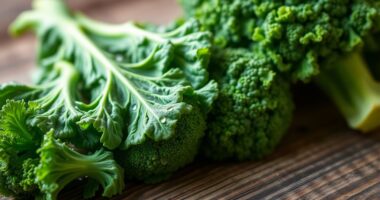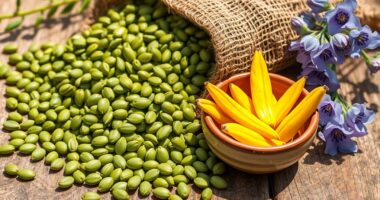
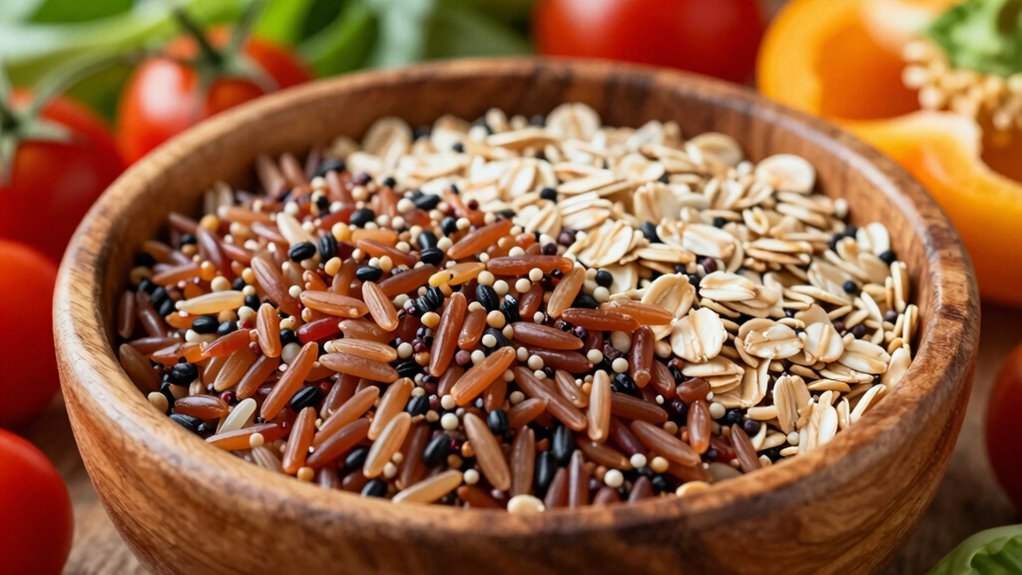

Whole grains are crucial for your vegan diet because they deliver essential nutrients, fiber, and sustained energy. They support overall health, aid digestion, and help prevent nutrient deficiencies. Ancient grains like quinoa and millet offer high nutrient density and variety, making your meals more interesting. Including a diverse range of whole grains guarantees you get a broad spectrum of benefits. To discover more ways to maximize their benefits, keep exploring how these grains can transform your diet.

Get health and wellness essentials delivered free with Prime
- Fast, free delivery on millions of items
- Prime Video, Amazon Music and more included
- Member-only deals all year
Key Takeaways
- Whole grains provide essential nutrients, fiber, and sustained energy, supporting overall health in vegan diets.
- Ancient grains like quinoa and millet offer high nutrient density and gluten-free options.
- They promote gut health through natural fiber retention and aid digestion.
- Incorporating diverse grains prevents dietary monotony and enhances nutrient variety.
- Whole grains help maintain balanced energy levels and prevent nutrient deficiencies in vegans.

Whole grains play a pivotal role in vegan diets, offering essential nutrients and energy to support overall health. They provide a rich source of fiber, vitamins, minerals, and complex carbohydrates that help sustain your energy levels throughout the day. For vegans, incorporating a variety of whole grains guarantees you get a broad spectrum of nutrients necessary for maximum well-being. However, some individuals face challenges like gluten sensitivity, which can limit their options. Fortunately, many ancient grains are naturally gluten-free, making them excellent alternatives for those who need to avoid gluten but still want the benefits of whole grains.
Ancient, gluten-free grains like quinoa and millet support vegan health and diversify your diet.
Ancient grains like quinoa, millet, amaranth, and buckwheat are gaining popularity for their nutrient density and versatility. These grains have been cultivated for thousands of years and often contain higher levels of protein, fiber, and micronutrients compared to modern refined grains. Including these in your diet not only diversifies your meals but also helps you tap into their unique health benefits. For example, quinoa is a complete protein, providing all essential amino acids, which is particularly valuable in a vegan diet. Similarly, millet and amaranth are rich in magnesium, iron, and antioxidants, supporting your immune system and overall vitality.
In addition to their nutritional advantages, ancient grains can contribute to better digestion and sustained energy. Unlike refined grains, which are stripped of their fiber and nutrients, whole ancient grains retain their natural bran and germ, promoting gut health and helping you feel full longer. This is especially important if you’re trying to maintain a balanced, plant-based diet without excessive snacking or energy crashes. Furthermore, these grains can add variety to your meals, preventing dietary monotony and encouraging you to explore different flavors and textures. Incorporating diverse grain options into your daily routine enhances your nutrient intake and keeps your diet exciting.
Understanding the importance of whole grain diversity can help you optimize your nutrient intake and support a balanced vegan diet. Despite the popularity of gluten-free diets, it’s important to recognize that many people can tolerate gluten in moderation. Whole grains like oats (certified gluten-free), spelt, and barley still offer valuable nutrients. Yet, for those with gluten sensitivity or celiac disease, ancient grains such as quinoa and buckwheat become essential sources of whole grains that fit into a gluten-free lifestyle. They help you enjoy the health benefits of whole grains without compromising your health. By embracing these nutrient-dense options, you keep your diet interesting, balanced, and aligned with your health needs, guaranteeing whole grains continue to have a meaningful place in your vegan journey.
As an affiliate, we earn on qualifying purchases.
Frequently Asked Questions
Are There Any Gluten-Free Whole Grains Suitable for Vegans?
Yes, there are gluten-free whole grains suitable for vegans, such as quinoa, millet, buckwheat, teff, amaranth, and sorghum. These grains are perfect for vegan baking and meals, providing essential nutrients without gluten. Incorporating these grains into your diet adds variety and health benefits, ensuring you enjoy hearty, satisfying dishes while respecting gluten sensitivities or celiac disease. They’re a versatile, nutritious choice for any vegan kitchen.
How Do Whole Grains Impact Vegan Weight Management?
You’ll find that whole grains support vegan weight management because they’re rich in fiber, which slows digestion and enhances fiber absorption, helping you feel full longer. Notably, whole grains have a lower calorie density compared to processed carbs, making them a smart choice for maintaining a healthy weight. Incorporating them into your diet can curb overeating while providing essential nutrients, making weight control easier and more sustainable.
Can Whole Grains Help With Vegan Nutrient Deficiencies?
Yes, whole grains can help with vegan nutrient deficiencies by providing essential nutrients often lacking in plant-based diets. They’re rich in fiber, B vitamins, iron, and magnesium, which support overall health. Incorporate diverse vegan protein sources like beans, lentils, and tofu alongside whole grain varieties such as oats or brown rice. This combination boosts nutrient intake, helping you meet your daily needs and maintain balanced, nutrient-rich vegan meals.
What Are the Best Ways to Incorporate Whole Grains Daily?
In the blink of an eye, you can incorporate whole grains daily by exploring diverse grain varieties like quinoa, oats, or bulgur. Use simple cooking techniques such as boiling, steaming, or overnight soaking to prepare them quickly. Add cooked grains to salads, stir-fries, or breakfast bowls, or swap them for rice or pasta. This variety keeps your meals interesting and boosts your vegan diet with essential nutrients.
Do Whole Grains Cause Any Digestive Issues for Vegans?
Whole grains can sometimes cause digestive discomfort if you have a grain intolerance or sensitivity. You might experience bloating, gas, or stomach upset. To minimize these issues, gradually introduce whole grains into your diet, and opt for well-cooked or soaked grains to improve digestibility. If problems persist, consider consulting a healthcare professional to rule out grain intolerance and explore alternative fiber sources.
As an affiliate, we earn on qualifying purchases.
Conclusion
In your journey toward a balanced vegan diet, whole grains are like the steady compass guiding you through a lush, abundant forest. They provide essential nutrients and fiber, anchoring your meals with energy and resilience. Embrace these ancient grains, not just as food, but as the sturdy backbone supporting your health. Keep whole grains at the heart of your plate, and watch your wellness bloom like a vibrant garden in full sunlight.
As an affiliate, we earn on qualifying purchases.
As an affiliate, we earn on qualifying purchases.
Halloween Picks
halloween
As an affiliate, we earn on qualifying purchases.