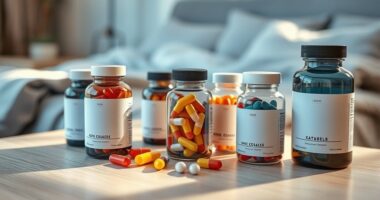
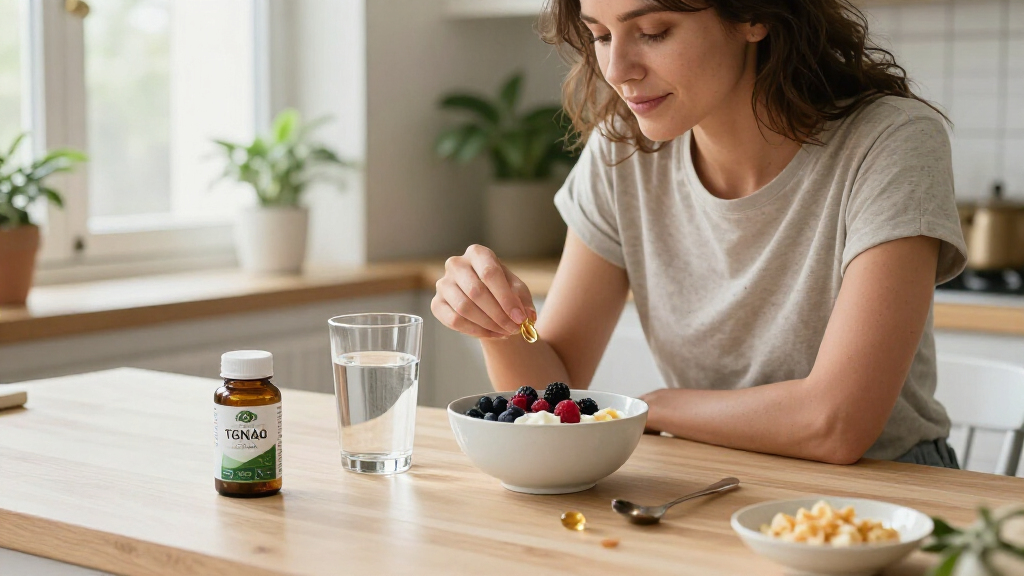
The best vegan omega-3 supplements use algae oil to provide DHA, EPA, or both without fish-derived ingredients. Sports Research Vegan Omega-3 Algae Oil is my best overall pick for its clearly stated 1,020 mg amount, while Nordic Naturals Vegan Omega-3 stands out for its listed 1,210 mg EPA+DHA and Micro Ingredients Vegan Omega-3 for its DHA, DPA, and flaxseed combination. The main tradeoffs are how much DHA and EPA a serving supplies, whether a formula adds other fats, and how many softgels you need to take. Product names alone do not reveal whether the listed milligrams refer to total oil or active omega-3s, so I compare label details closely. Continue reading for the full breakdown and guidance on choosing a formula that fits your diet and routine.

Get health and wellness essentials delivered free with Prime
- Fast, free delivery on millions of items
- Prime Video, Amazon Music and more included
- Member-only deals all year
Key Takeaways
- Sports Research is the best overall starting point: its listed 1,020 mg amount gives shoppers a clear benchmark, though checking the label for the precise DHA and EPA breakdown remains important.
- Nordic Naturals leads on stated combined EPA and DHA: its 1,210 mg figure is explicitly described as EPA+DHA, making it easier to compare with products that list total algae oil instead.
- Micro Ingredients takes a broader fatty-acid approach: its stated DHA and DPA amounts plus flaxseed-derived ALA may suit buyers seeking more than a DHA-only formula, but the blend is less direct for shoppers focused on EPA.
- Several products offer long-count bottles, but count is not the same as value: compare the labeled serving size and active omega-3 per serving before treating 120 or 240 softgels as a better deal.
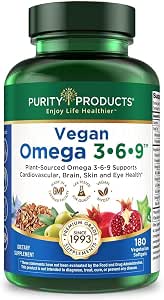
- Omega 3-6-9 formulas serve a different purpose: Purity Products’ blends add other fatty acids, while algae-only DHA/EPA products are the more straightforward choice for buyers specifically seeking long-chain omega-3s.



| vegan omega-3 supplement | Source | Form |
|---|---|---|
| Sports Research Vegan Omega-3 | Algae oil | — |
| Micro Ingredients Vegan Omega- | — | — |
| NatureBell Vegan Omega 3 Algae | — | Veggie softgels |
| Vegan Omega 3 Algae Oil | Algae oil | — |
| Purity Products Omega 3-6-9 Ve | — | Vegetarian softgel |
| Sapling Vegan Omega-3 Suppleme | Microalgae | Softgels |
| Vegan Omega-3 Algae Oil Supple | Sustainably sourced microalgae | — |
| Freshfield Vegan Omega-3 DHA S | Plant-based algal oil | Tapioca softgels |
| AMANDEAN Vegan Omega-3 Supplem | Non-GMO marine algae | Softgels |
| Nordic Naturals Vegan Omega-3 | Algae | Soft gels |
| Vegan Omega-3 Algae Oil | Algae oil | — |
| Nature’s Bounty Omega-3 Plant- | Algae oil | — |
| Zenwise Vegan Omega 3 Algae Oi | Marine algae | Softgels |
| Purity Products Vegan Omega 3 | — | Vegetarian softgel |
| Vegan Omega 3 Supplement | Sustainably grown algae (USA) | — |
More Details on Our Top Picks
Sports Research Vegan Omega-3 Algae Oil 1020 mg 60 Count Plantgels
Sports Research is my best overall pick for shoppers who want a substantial algae-based omega-3 serving without juggling several capsules. Its 1,020 mg of omega-3s per serving and tapioca-based plantgels make the fish-free format clear and straightforward, while third-party testing and Non-GMO verification add quality checks. Compared with Micro Ingredients Vegan Omega-3, which offers specified DHA and DPA amounts but requires three softgels per serving, this is the simpler daily routine. The tradeoff is less detail in the supplied product information about individual omega-3 types, so buyers focused on a stated DHA or DPA amount may prefer Micro Ingredients. The bottle has 60 plantgels, and the capsule format will not work for people who avoid pills.
Pros:- Provides 1,020 mg of omega-3s per serving from algae oil.
- Uses tapioca-based plantgels rather than gelatin capsules.
- Third-party tested, Non-GMO verified, and Vegan Certified.
- Formula excludes carrageenan, corn starch, sorbitol, and listed fillers.
Cons:- The supplied specs do not state the amount of DHA or other individual omega-3s.
- Softgel capsules are unsuitable for people who cannot or prefer not to swallow pills.
- The 60-count bottle may mean more frequent replacement for daily users.
Best for: Vegan shoppers who want a high stated omega-3 amount in a plant-based softgel and prefer a simpler serving routine.
Not ideal for: People who avoid capsules or need a clearly listed DHA and DPA breakdown for each serving.
- Omega-3 per serving:1,020 mg
- Servings per bottle:60
- Source:Algae oil
- Softgel type:Tapioca-based plantgel
- Certifications:Non-GMO Verified; Vegan Certified
- Testing:Third-party tested
- Free from:Carrageenan, gelatin, corn starch, sorbitol, and listed fillers
Our verdict“Choose Sports Research if you want a high stated omega-3 amount in a verified vegan plantgel, but choose a product with a DHA breakdown if that is your priority.”
Micro Ingredients Vegan Omega-3 Algae Oil 240 Veggie Softgels – Fish Oil Alternative – DHA 500mg & DPA 100mg – Carrageenan Free – Plant-Based with Flaxseed & ALA – Lemon Flavor
Micro Ingredients earns this role by spelling out what its algae-based serving contains: 500 mg DHA and 100 mg DPA, plus flaxseed oil and ALA. That makes it easier to compare the listed omega-3 components than with Sports Research Vegan Omega-3, whose supplied specs give a total omega-3 amount but not a DHA and DPA breakdown. The lemon flavor and broad allergen exclusions may also suit shoppers who want a flavored, plant-based alternative. The main compromise is the serving routine: three softgels per serving may be inconvenient for anyone who prefers fewer capsules. Its 240-softgel pouch offers many capsules, but the serving size matters more than the count when planning daily use. Lemon is the only listed flavor.
Pros:- Lists 500 mg DHA and 100 mg DPA per serving.
- Includes flaxseed oil and ALA alongside algal oil.
- Carrageenan-free and listed as free from soy, dairy, gluten, preservatives, colors, and tree nuts.
- Lemon flavor may help mask unwanted aftertaste.
Cons:- A full serving requires three softgels.
- The supplied information lists only lemon flavor.
- The serving includes 80 mg flaxseed oil and 40 mg ALA, so buyers seeking only algal omega-3s may prefer a simpler formula.
Best for: Vegan buyers who want stated DHA and DPA amounts, avoid common listed allergens, and are comfortable taking three softgels per serving.
Not ideal for: People who want a one-capsule routine or dislike lemon-flavored supplements.
- Softgels per pouch:240
- Serving size:3 softgels
- Algal oil per serving:1,250 mg
- DHA per serving:500 mg
- DPA per serving:100 mg
- Flaxseed oil per serving:80 mg
- ALA per serving:40 mg
- Flavor:Lemon
- Dietary notes:Non-GMO; free from carrageenan, soy, dairy, gluten, preservatives, colors, and tree nuts
Our verdict“Choose Micro Ingredients if a clear DHA and DPA breakdown matters more to you than minimizing the number of softgels.”
NatureBell Vegan Omega 3 Algae Oil Supplement, 120 Veggie Softgels
NatureBell offers a mid-size option for shoppers who want a listed DHA, DPA, and ALA blend but do not need the 240-softgel pouch from Micro Ingredients Vegan Omega-3. The formula provides 1,250 mg algal oil per serving, with 500 mg DHA, 100 mg DPA, and additional flaxseed oil and ALA. Its 120-count bottle is a smaller commitment than Micro Ingredients’ pouch, though both require three softgels per serving. The lemon flavor and exclusions for soy, gluten, dairy, and carrageenan may suit buyers checking common dietary restrictions. The tradeoff is that the serving still takes several capsules, and the supplied specifications do not state how many servings are in the bottle. Buyers seeking a lower-capsule routine may prefer Sports Research.
Pros:- Lists 500 mg DHA and 100 mg DPA per serving.
- Combines algal oil with flaxseed oil and ALA.
- 120 veggie softgels provide a smaller package than Micro Ingredients’ 240-softgel pouch.
- Listed as vegan, Non-GMO, and free from soy, dairy, gluten, and carrageenan.
Cons:- The serving size is three softgels.
- Lemon flavor may not suit every preference.
- The supplied specs do not state the number of servings per bottle.
Best for: Vegan shoppers who want a stated DHA, DPA, and ALA blend in a 120-softgel bottle rather than a larger pouch.
Not ideal for: People who want fewer than three softgels per serving or need the bottle’s serving count stated before buying.
- Form:Veggie softgels
- Count:120 softgels
- Serving size:3 softgels
- Algal oil per serving:1,250 mg
- DHA per serving:500 mg
- DPA per serving:100 mg
- Flaxseed oil and ALA per serving:80 mg flaxseed oil; 40 mg ALA
- Flavor:Lemon
- Dietary notes:Vegan, Non-GMO, soy-free, dairy-free, gluten-free, and carrageenan-free
Our verdict“Choose NatureBell if you want a specified multi-omega blend in a 120-softgel bottle and accept a three-capsule serving.”
Vegan Omega 3 Algae Oil, Plant Based DHA EPA, Sustainably Sourced, Non-GMO
This algae-oil option is the clearest fit for buyers who want a stated DHA and EPA total without the added flaxseed oil and ALA found in NatureBell Vegan Omega 3. Each serving lists 550 mg total omega-3s, including 450 mg combined DHA and EPA, which gives shoppers a more specific basis for comparing those fatty acids. The formula is carrageenan-free and Non-GMO, with GMP manufacturing and third-party testing listed as quality measures. Compared with the broader blends from Micro Ingredients and NatureBell, this product keeps the listed formula simpler. The tradeoff is that the supplied data does not break the 450 mg into separate DHA and EPA amounts, and it does not specify capsule count, serving size, or flavor. Buyers who need those details should look for a more fully specified label.
Pros:- Lists 550 mg total omega-3s and 450 mg combined DHA and EPA per serving.
- Uses a plant-based algae oil source.
- Carrageenan-free and Non-GMO.
- Lists GMP-certified manufacturing and third-party testing.
Cons:- The supplied specs do not separate the DHA and EPA amounts.
- Serving size, bottle count, and flavor are not provided in the supplied product data.
- Its stated 550 mg omega-3 amount is lower than the 1,020 mg listed for Sports Research.
Best for: Vegan shoppers focused on a stated combined DHA and EPA amount who prefer a formula without listed flaxseed or ALA additions.
Not ideal for: Buyers who need separate DHA and EPA amounts, a stated bottle count, or detailed serving instructions before choosing.
- Omega-3 per serving:550 mg
- Combined DHA and EPA per serving:450 mg
- Source:Algae oil
- Free from:Carrageenan
- Non-GMO:Yes
- Manufacturing standard:GMP-certified
- Testing:Third-party tested
Our verdict“Choose this algae oil if a stated combined DHA and EPA amount matters more than a higher total omega-3 figure or a detailed formula breakdown.”
Purity Products Omega 3-6-9 Vegan and Vegetarian Formula
Purity Products Omega 3-6-9 is the outlier in this group: it combines five plant oils rather than centering the formula on algae oil. Flaxseed and sacha inchi oils contribute plant-based omega-3s, while olive, borage, and pomegranate oils broaden the fatty-acid blend. That makes it a different choice from Sports Research Vegan Omega-3, which gives a stated total omega-3 amount from algae oil, or Micro Ingredients, which lists specific DHA and DPA quantities. LemonLock freshness technology and cGMP compliance are listed features, but the supplied data does not give per-serving omega-3, DHA, or EPA amounts. Since plant-based ALA must be converted by the body to EPA and DHA, buyers seeking quantified direct algal DHA should choose a more specifically labeled algae product.
Pros:- Combines five plant oils: flaxseed, olive, borage, pomegranate, and sacha inchi.
- Provides a broader 3-6-9 blend than the algae-focused Sports Research formula.
- LemonLock technology is listed as a freshness feature.
- Listed as vegan and vegetarian, with cGMP compliance and third-party certification.
Cons:- The supplied specs do not state per-serving omega-3, DHA, or EPA amounts.
- Plant-based ALA may require conversion to EPA and DHA.
- The mix of several oils may not suit buyers avoiding specific plant ingredients.
Best for: Vegan or vegetarian buyers who want a multi-oil fatty-acid blend and are not choosing solely for a stated algal DHA or EPA dose.
Not ideal for: Shoppers who need a clear per-serving DHA, EPA, or total omega-3 amount, or who avoid one or more of the included plant oils.
- Type:Vegan omega 3-6-9 supplement
- Form:Vegetarian softgel
- Key oils:Flaxseed, extra virgin olive, borage, pomegranate, and sacha inchi
- Freshness technology:LemonLock
- Manufacturing:cGMP compliant
- Certification:Third-party certified
- Dietary suitability:Vegan and vegetarian
Our verdict“Choose Purity Products for a varied plant-oil 3-6-9 blend, but choose an algae-focused product if you need a stated DHA or EPA amount.”
Sapling Vegan Omega-3 Supplement – Algae-Based DHA & EPA – 180 Softgels
Sapling stands out for pairing a 180-softgel bottle with a clearly stated serving of 300 mg DHA and 150 mg EPA, so buyers can see how its preformed omega-3s break down rather than relying on a total alone. Its microalgae source and U.S. growing and bottling give it a defined plant-based supply story, while peppermint oil is intended to reduce fishy odors and burps. Compared with Freshfield, which emphasizes DHA and DPA plus plant-based tapioca shells, Sapling provides both DHA and EPA and more softgels per bottle. The tradeoffs are its need for cool storage and a softgel form that may not suit people who have trouble swallowing capsules. The listed omega-3 total is 550 mg per serving, though the specified DHA and EPA add up to 450 mg, so buyers should check the serving details on the label.
Pros:- Microalgae source supplies preformed DHA and EPA without fish oil.
- Lists 300 mg DHA and 150 mg EPA per serving.
- Peppermint oil is included to help limit fishy odors and burps.
- 180 softgels per bottle, with U.S. origin and GMP-certified facility details.
Cons:- Softgels may be difficult for people who struggle with swallowing capsules.
- The product calls for refrigeration or cool storage to maintain freshness.
- Listed DHA and EPA total 450 mg, below the stated 550 mg total omega-3s, and the supplied details do not explain the remainder.
Best for: Buyers who want a larger supply of algae-derived DHA and EPA, with the serving amounts specified and peppermint oil included.
Not ideal for: People who need easy-to-swallow formats or cannot store supplements in a cool place; the supplied information also leaves the difference between total omega-3s and listed DHA/EPA amounts unclear.
- Source:Microalgae
- Omega-3 content:550 mg per serving
- DHA:300 mg per serving
- EPA:150 mg per serving
- Form:Softgels
- Bottle quantity:180 softgels
- Additive:Peppermint oil
- Facility and origin:GMP-certified, FDA-registered facility; USA
- Free from:Carrageenan and fish oil
Our verdict“Choose Sapling if a large softgel bottle and stated DHA/EPA amounts matter more than compact storage or an especially easy-to-swallow form.”
Vegan Omega-3 Algae Oil Supplement with DHA and EPA
MAV Nutrition is the most certification-focused pick in this group, with supplied claims for vegan, non-GMO, gluten-free, and carrageenan-free formulation, plus GMP manufacturing and third-party testing. Its algae-derived DHA and EPA offer preformed omega-3s, unlike plant oils such as flaxseed that supply a different omega-3 profile. Compared with Sapling, MAV lists more manufacturing and dietary checks, while Sapling provides specific per-serving DHA and EPA amounts and a bottle count. That missing dosage and quantity information makes it harder to judge potency, routine fit, or value from the supplied product details. The description also notes that algae oil can have an earthy taste, and higher dosing may be needed to match concentrated fish oils. This pick makes more sense for shoppers who value the stated testing and exclusions than those comparing precise daily amounts.
Pros:- DHA and EPA are sourced from microalgae rather than fish.
- Supplied dietary claims include vegan, non-GMO, gluten-free, and carrageenan-free.
- GMP-manufactured and described as third-party tested.
- U.S. origin is specified.
Cons:- The supplied product data does not state DHA or EPA amounts per serving.
- Bottle count and serving size are not provided, limiting routine and value comparisons.
- Algae oil may have an earthy taste, and the description notes that higher dosing may be needed to match concentrated fish oils.
Best for: Vegan shoppers avoiding gluten and carrageenan who put third-party testing and GMP manufacturing near the top of their checklist.
Not ideal for: Dose-conscious buyers who want stated DHA/EPA milligrams, servings per bottle, or a clear way to compare potency before choosing.
- Brand:MAV Nutrition
- Type:Algae oil
- Key ingredients:DHA and EPA
- Source:Sustainably sourced microalgae
- Dietary claims:Vegan, non-GMO, gluten-free, carrageenan-free
- Manufacturing:GMP-manufactured
- Testing:Third-party tested
- Origin:USA
Our verdict“Pick MAV Nutrition if its stated testing and dietary exclusions matter most, but choose a better-documented option if you need to compare exact DHA/EPA doses.”
Freshfield Vegan Omega-3 DHA Supplement, Plant-Based Algae
Freshfield is the clearest fit here for shoppers focused on DHA: a serving lists 450 mg DHA and 80 mg DPA from algal oil, without claiming an EPA amount. Its tapioca-based softgel shell and VegeCert vegan certification give buyers a specific alternative to gelatin capsules, while the removable lemon-scented freshness heart is designed to mask marine aroma. Compared with Sapling, Freshfield gives a higher stated DHA amount and includes DPA, but Sapling lists EPA and comes in a larger 180-softgel bottle. Freshfield has 60 softgels and 30 servings per bottle, and its capsules are described as larger than typical, which may be a poor fit for anyone who struggles to swallow softgels. Its packaging certifications may appeal to sustainability-minded shoppers, though the formula is less suitable for buyers seeking a stated DHA-plus-EPA combination.
Pros:- Provides 450 mg DHA and 80 mg DPA per serving from algal oil.
- Plant-based tapioca shell and VegeCert vegan certification.
- Free of gelatin, carrageenan, artificial colors, and fish oil.
- Removable lemon-scented freshness heart and packaging sustainability claims.
Cons:- No EPA amount is listed in the supplied product data.
- Softgels are larger than typical and may be hard to swallow.
- Bottle contains 60 softgels, or 30 servings.
Best for: Vegan shoppers who want a clearly specified DHA serving, a tapioca-based softgel shell, and a formula that includes DPA.
Not ideal for: Buyers specifically seeking EPA, people who have trouble swallowing larger softgels, or shoppers who prefer a longer bottle supply.
- Source:Plant-based algal oil
- Algal oil:1,125 mg per serving
- DHA:450 mg per serving
- DPA:80 mg per serving
- Form:Tapioca softgels
- Bottle quantity:60 softgels
- Servings:30 per bottle
- Vegan certification:VegeCert
- Free from:Gelatin, carrageenan, artificial colors, and fish oil
Our verdict“Choose Freshfield if DHA, DPA, and a plant-based softgel shell are your priorities; look elsewhere if EPA or easy-swallow capsules matter more.”
AMANDEAN Vegan Omega-3 Supplement, Algal Oil DHA EPA Softgels, 120 ct
AMANDEAN earns its place for specifying natural triglyceride form, alongside algae-derived DHA and EPA. That gives form-conscious shoppers a concrete detail to compare, rather than relying only on broad claims about absorption. Its 120-count bottle sits between Sapling’s 180 softgels and Freshfield’s 60, though AMANDEAN does not provide per-serving DHA or EPA amounts in the supplied data. That omission makes it difficult to compare potency or estimate how long the bottle will last. The formula is described as non-GMO, vegan, carrageenan-free, and made in the USA, with purity testing also claimed. Its main practical drawback is capsule size: the softgels are relatively large, so this may not suit people who find swallowing capsules uncomfortable. It is a better match for shoppers who value the stated oil form and purity details than those choosing by dose.
Pros:- Uses algal oil with DHA and EPA in natural triglyceride form.
- Vegan, non-GMO, and carrageenan-free.
- Purity testing is stated in the product description.
- Made in the USA and supplied in a 120-softgel bottle.
Cons:- Per-serving DHA and EPA amounts are not provided in the supplied data.
- Softgels are relatively large and may be difficult for some users to swallow.
- The number of servings per bottle is not specified.
Best for: Shoppers who specifically want algae-derived DHA and EPA in natural triglyceride form and prefer a mid-sized bottle.
Not ideal for: People who struggle with large softgels or need exact per-serving DHA/EPA amounts to compare dosage and bottle duration.
- Source:Non-GMO marine algae
- Active ingredients:DHA and EPA
- Molecular form:Natural triglyceride form
- Form:Softgels
- Bottle quantity:120 softgels
- Dietary claims:Vegan and non-GMO
- Free from:Carrageenan
- Testing:Purity testing stated
- Manufacturing location:USA
Our verdict“AMANDEAN suits buyers who prioritize triglyceride-form algae oil and purity testing, provided they do not need a stated dose or smaller capsules.”
Nordic Naturals Vegan Omega-3 Algae-Based Soft Gels (1210mg EPA+DHA, 60 Count)
Nordic Naturals leads this group on stated combined EPA and DHA per serving, with 1,210 mg in triglyceride form. That makes it the most straightforward choice for shoppers who want a high labeled amount of preformed omega-3s from algae, rather than the DHA-only emphasis of Freshfield or the unspecified dose in AMANDEAN’s supplied details. The formula is described as third-party tested and free from non-GMO ingredients, gluten, dairy, and artificial additives, which offers useful screening information. The tradeoff is the 60-softgel bottle, the smallest count among the products here with a disclosed bottle quantity, and the listed dose may not fit every person’s needs. The supplied data does not split the 1,210 mg between EPA and DHA, so buyers who need a particular balance should check the full label before deciding.
Pros:- Lists 1,210 mg combined EPA and DHA per serving.
- Algae-based source supplies preformed EPA and DHA without fish oil.
- Uses triglyceride form and is described as third-party tested.
- Vegan and free from gluten and dairy, according to the supplied product data.
Cons:- The supplied data does not give separate EPA and DHA amounts.
- Bottle contains 60 softgels.
- The stated serving dose may require adjustment to fit an individual’s needs.
Best for: Shoppers seeking a high stated combined EPA and DHA amount from algae in triglyceride form, with third-party testing information.
Not ideal for: People who want the EPA and DHA amounts listed separately, need a larger bottle, or have a specific dose in mind that differs from the serving amount.
- Source:Algae
- Combined EPA and DHA:1,210 mg per serving
- Molecular form:Triglyceride
- Form:Soft gels
- Bottle quantity:60 soft gels
- Dietary claims:Vegan, non-GMO, gluten-free, dairy-free
- Testing:Third-party tested for purity
- Artificial additives:Free from artificial additives
Our verdict“Choose Nordic Naturals for a high stated combined EPA/DHA serving, but verify the individual fatty-acid amounts if their balance matters to you.”
Vegan Omega-3 Algae Oil (60 Softgels) – Plant-Based DHA/EPA, Sustainably Sourced, No Carrageenan, Non-GMO, Heart, Brain & Eye Health, Fish Oil Alternative, USA Made
This algae-oil option prioritizes sourcing and manufacturing details: it is described as sustainably sourced, non-GMO, carrageenan-free, and made in a U.S. GMP-certified facility, with third-party purity testing. That makes it a fit for shoppers who want those assurances alongside plant-based DHA and EPA, rather than a seed-oil blend such as Purity Products Vegan Omega 3 6 9 Formula. The tradeoff is that the supplied product details do not state the amount of DHA or EPA per serving, so I can’t compare its potency directly with Nature’s Bounty, which lists 510 mg of EPA and DHA per softgel. Its 60-softgel bottle may also run short for people taking multiple softgels daily. I’d choose it for its stated quality attributes, not for a quantified dose advantage.
Pros:- Algae-derived source provides plant-based DHA and EPA.
- Described as sustainably sourced, non-GMO, and carrageenan-free.
- Third-party purity testing is stated in the product information.
- Made in a U.S. GMP-certified facility.
Cons:- The provided specifications do not state the DHA or EPA amount per serving.
- A 60-softgel bottle may require more frequent replacement at higher daily serving sizes.
Best for: Vegan shoppers who prioritize carrageenan-free ingredients, stated third-party purity testing, and U.S. GMP-certified manufacturing over a clearly listed per-serving dose.
Not ideal for: Dose-focused buyers who want to compare exact DHA and EPA amounts before purchasing, or people seeking a larger bottle for frequent multi-softgel use.
- Source:Algae oil
- Omega-3 types:Plant-based DHA and EPA
- Softgels per bottle:60
- Non-GMO:Yes
- Carrageenan-free:Yes
- Manufactured in:USA
- Facility certification:GMP-certified facility
- Purity testing:Third-party testing stated
Our verdict“Choose this if clean-label and manufacturing details matter more to you than having a stated, easily compared DHA/EPA dose.”
Nature’s Bounty Omega-3 Plant-Based Fatty Acid Supplement – 30 Count
Nature’s Bounty makes dose comparison straightforward: each softgel lists 520 mg of total omega-3s, including 510 mg of EPA and DHA, in 1,000 mg of algae oil. That level of detail gives it an advantage over Vegan Omega-3 Algae Oil (60 Softgels), whose supplied specifications don’t state the DHA/EPA quantity. The once-daily softgel format also suits shoppers who want a simple routine rather than Zenwise Vegan Omega 3, which calls for two softgels per serving. The main compromise is the 30-count bottle, which provides less stock between purchases than Zenwise’s 120-softgel bottle. The product details also describe it as a dietary supplement, not an FDA-evaluated product. I’d favor it for dose clarity and convenience, while buyers focused on bottle capacity may prefer another option.
Pros:- Lists 510 mg of EPA and DHA per softgel.
- Provides 520 mg of total omega-3s in 1,000 mg of algae oil.
- Vegan, algae-derived omega-3 source.
- Convenient one-softgel serving.
Cons:- The bottle contains only 30 softgels.
- The product information states that it is a dietary supplement and is not evaluated by the FDA.
Best for: Vegan shoppers who want a clearly stated EPA/DHA amount and a single-softgel daily routine.
Not ideal for: People who prefer to buy a larger bottle at a time, or shoppers seeking a product represented as FDA-evaluated.
- Source:Algae oil
- Algae oil per softgel:1,000 mg
- Total omega-3s per softgel:520 mg
- EPA + DHA per softgel:510 mg
- Softgels per bottle:30
- Formulation:Vegan algae-derived omega-3
Our verdict“Pick Nature’s Bounty if you want a clearly quantified algae-based dose in a one-softgel routine and don’t mind a smaller bottle.”
Zenwise Vegan Omega 3 Algae Oil Supplement (EPA, DHA, DPA) – 120 Softgels
Zenwise is the bottle-size pick in this group: 120 softgels provide 60 two-softgel servings, so it means fewer restocks than Nature’s Bounty’s 30-softgel bottle. Each serving lists 510 mg of omega-3s, including 100 mg EPA and 310 mg DHA, and the product description also identifies DPA. Its marine algae source supplies these omega-3s directly, unlike seed-based formulas such as Purity Products Vegan Omega 3 6 9, which use a different fatty-acid blend. The cost of the larger supply is a two-softgel serving that should be taken with a meal, so it may not suit someone seeking the simplest routine. I’d choose Zenwise for bottle capacity and explicit serving details, while Nature’s Bounty is more convenient for a one-softgel dose.
Pros:- 120 softgels provide 60 servings at the stated serving size.
- Lists 510 mg of total omega-3s per two-softgel serving.
- Provides algae-derived EPA and DHA and identifies DPA in the formula description.
- Made in certified cGMP facilities in the U.S., according to the product specifications.
Cons:- A serving requires two softgels.
- The product instructions call for taking it with a meal.
- Its listed EPA amount is 100 mg per serving, so buyers focused on EPA should compare the breakdown rather than the total alone.
Best for: Regular supplement users who want a 60-day bottle of algae-derived omega-3s and are comfortable taking two softgels with a meal.
Not ideal for: People who have trouble swallowing multiple softgels or want a one-softgel serving like Nature’s Bounty.
- Brand:Zenwise
- Source:Marine algae
- Form:Softgels
- Softgels per bottle:120
- Serving size:2 softgels
- Supply duration:60 days
- Total omega-3s per serving:510 mg
- EPA per serving:100 mg
- DHA per serving:310 mg
Our verdict“Choose Zenwise if you want a larger supply and detailed algae omega-3 amounts, and are fine with a two-softgel serving.”
Purity Products Vegan Omega 3 6 9 Formula Essential Fatty Acid Complex
This is the lineup’s broadest fatty-acid blend, not a direct match for algae-based DHA/EPA supplements. Purity Products lists omega-3, omega-6, and omega-9 from flaxseed, olive, borage, pomegranate, and sacha inchi oils, plus GLA and oleic acid. That variety may appeal to buyers who specifically want a plant-based 3-6-9 complex; however, the supplied specifications don’t identify DHA or EPA amounts. By comparison, Nature’s Bounty explicitly lists 510 mg of EPA and DHA per softgel, while Zenwise provides per-serving EPA and DHA figures. The LemonLock freshness system and lack of fish aftertaste suit those avoiding fish oil, but multiple seed and oil sources may be a concern for people with relevant allergies. I’d choose this for formula breadth, not as the clearest substitute for a measured algae-derived DHA/EPA dose.
Pros:- Combines omega-3, omega-6, and omega-9 from several plant oils.
- Includes GLA and oleic acid, which are not typically found in fish oil.
- Vegan, vegetarian, and non-GMO according to the product details.
- LemonLock freshness system is included.
Cons:- The supplied specifications do not give DHA or EPA amounts.
- Multiple seed and oil sources may not suit people with particular allergies.
- Vegetarian softgels may be difficult for people who have trouble swallowing capsules.
Best for: Vegetarian or vegan shoppers seeking a multi-source omega 3-6-9 oil blend that includes GLA and oleic acid.
Not ideal for: Buyers who specifically want a stated dose of algae-derived DHA and EPA, or people with allergies to any of the included seed and oil sources.
- Omega-3:500 mg
- Omega-6:180 mg
- Omega-9:680 mg
- Oil sources:Flaxseed, extra virgin olive, borage, pomegranate, and sacha inchi seed oils
- Dietary suitability:Vegan, vegetarian, non-GMO
- Form:Vegetarian softgel
- Freshness system:LemonLock
Our verdict“Choose this for a plant-based 3-6-9 blend, but pick an algae product such as Zenwise if quantified DHA and EPA are your priority.”
Vegan Omega 3 Supplement – Plant Based DHA & EPA Fatty Acids – Carrageenan Free, Alternative to Fish Oil, Supports Heart, Brain, Joint Health – Sustainably Sourced Algae – 60 Softgels
Sapling pairs a stated DHA/EPA breakdown with a peppermint-scented pack, a distinctive touch for buyers who dislike fishy aromas. Each serving provides 550 mg total omega-3s, including 300 mg DHA and 150 mg EPA, from sustainably grown algae. Compared with Nature’s Bounty, Sapling lists 40 mg more total omega-3s per serving, though Nature’s Bounty lists 510 mg of EPA and DHA together, so the figures are not directly interchangeable without the same breakdown. The formula is carrageenan-free, and the brand states that it plants one tree per bottle. The tradeoffs are the 60-softgel bottle and the possibility that peppermint scent won’t appeal to everyone. I’d choose it when the DHA/EPA figures and aroma-conscious packaging matter more than getting a larger supply like Zenwise provides.
Pros:- Lists 300 mg DHA and 150 mg EPA per serving.
- Uses sustainably grown algae and is carrageenan-free.
- Peppermint oil-scented pack is intended to reduce fishy aroma.
- Brand states that it plants one tree for each bottle sold.
Cons:- The peppermint aroma may not suit every buyer.
- The bottle contains 60 softgels, fewer than Zenwise’s 120-softgel bottle.
- The supplied specifications do not state the number of servings per bottle.
Best for: Vegan buyers who want a stated DHA/EPA split, carrageenan-free algae oil, and packaging intended to reduce fishy aroma.
Not ideal for: People who dislike peppermint scent or prefer a larger bottle with more softgels, such as Zenwise’s 120-count option.
- Source:Sustainably grown algae (USA)
- Total omega-3s per serving:550 mg
- DHA per serving:300 mg
- EPA per serving:150 mg
- Softgels per bottle:60
- Carrageenan-free:Yes
- Scented pack:Peppermint oil
Our verdict“Pick Sapling if you want a clear DHA/EPA breakdown and peppermint-scented packaging, but skip it if you prefer unscented products or a larger bottle.”
How We Picked
I compared the 15 listings by the details that can help a buyer choose a vegan omega-3: the algae-based source, whether DHA and EPA amounts are stated clearly, and whether a label distinguishes active fatty acids from total oil. I also looked at serving count, capsule format, added ingredients such as flaxseed or other fats, and claims about sourcing or excluded ingredients. These details affect how easy a formula is to compare, fit into a daily routine, and match to a buyer’s particular priorities.
The ranking favors options with clearer, more decision-useful omega-3 information and a distinct role, rather than treating the largest bottle or broadest health claims as automatic advantages. Sports Research leads as a balanced starting point; Nordic Naturals ranks highly for its stated combined EPA+DHA, and Micro Ingredients stands out for its DHA, DPA, and ALA mix. Products with less specific listing information or broader 3-6-9 blends may still suit particular buyers, but they rank lower for someone seeking a simple, easy-to-compare algae-based DHA/EPA supplement.
| vegan omega-3 supplement | Form |
|---|---|
| Sports Research Vegan Omega-3 | — |
| Micro Ingredients Vegan Omega- | — |
| NatureBell Vegan Omega 3 Algae | Veggie softgels |
| Vegan Omega 3 Algae Oil | — |
| Purity Products Omega 3-6-9 Ve | Vegetarian softgel |
| Sapling Vegan Omega-3 Suppleme | Softgels |
| Vegan Omega-3 Algae Oil Supple | — |
| Freshfield Vegan Omega-3 DHA S | Tapioca softgels |
| AMANDEAN Vegan Omega-3 Supplem | Softgels |
| Nordic Naturals Vegan Omega-3 | Soft gels |
| Vegan Omega-3 Algae Oil | — |
| Nature’s Bounty Omega-3 Plant- | — |
| Zenwise Vegan Omega 3 Algae Oi | Softgels |
| Purity Products Vegan Omega 3 | Vegetarian softgel |
| Vegan Omega 3 Supplement | — |
Factors to Consider When Choosing Vegan Omega-3 Supplements
Before choosing a bottle, I would separate the question of what type of omega-3 you want from the question of which product label looks most impressive. These checks can help you compare supplements fairly, spot gaps in product information, and avoid paying attention to details that do not match your needs.
Compare DHA and EPA, Not Just Total Oil
A label’s total algae oil amount does not necessarily equal the amount of DHA and EPA it supplies. Look for each fatty acid listed per serving, then compare products using the same basis. A product that advertises a large oil amount may provide less active DHA and EPA than a smaller-sounding number on another label. If the listing does not spell out the breakdown, check the Supplement Facts panel before buying rather than guessing from the front label. This distinction matters most when you have a target amount from a clinician or want to compare options precisely. Avoid assuming that a higher headline number automatically means a stronger omega-3 serving.
Decide Whether You Want DHA, EPA, or Both
Algae products can differ in their balance of DHA and EPA, and some labels also mention DPA or ALA. A DHA-focused formula may be a simpler fit for someone seeking that fatty acid specifically, while buyers looking for both DHA and EPA should verify that both appear in meaningful amounts on the facts panel. ALA from flaxseed is a different omega-3 and should not be counted as equivalent to algae-derived DHA or EPA. Added fatty acids can broaden a formula, but they can also make a comparison less straightforward. Match the ingredient profile to your reason for taking a supplement instead of treating every omega-3 source as interchangeable. If you have a health condition or a prescribed intake, ask a qualified clinician to help interpret the amounts.
Read the Serving Size and Bottle Count Together
A bottle with many softgels may still require several capsules per serving, so count alone does not tell you how long it will last. Check the serving size, servings per container, and DHA/EPA per serving as a group. A concentrated option may mean fewer capsules, while a lower-concentration product could require more to reach the same labeled amount. Also think about whether you can comfortably swallow the capsule and keep up with the daily routine. If the serving directions are unclear in a product listing, consult the package label before purchase. Comparing cost per serving can be useful, but only after confirming that the serving supplies the fatty-acid profile you want.
Check Vegan Credentials Beyond the Oil Source
Algae oil is a plant-based alternative to fish oil, but the full product includes more than its oil source. Review the capsule material, flavoring, and other ingredients if you avoid specific animal-derived ingredients or additives. A label that says plant-based may not answer every question about the capsule or manufacturing practices. Buyers avoiding particular ingredients, such as carrageenan, should check the current package details rather than rely only on a product title. Certification or a clear manufacturer statement can help when dietary requirements are strict. When the listing leaves an ingredient ambiguous, contacting the manufacturer is more reliable than making assumptions.
Treat Sourcing and Freshness as Label Questions
Algae sourcing and product handling matter because an oil’s quality depends on more than whether it is vegan. Look for specific information about sourcing, storage directions, expiration dating, and packaging rather than relying on a broad sustainability phrase alone. Follow the package guidance on storage, since heat and light can affect oils over time. A large bottle may be less convenient if you use it slowly or cannot store it as directed. If you notice an unusual odor, damaged packaging, or a product past its expiration date, do not use it and contact the seller or manufacturer. These checks are especially useful when choosing among listings that offer little detail beyond the product name.
Choose a Simple Formula Unless You Have a Reason to Blend
An algae-only DHA/EPA supplement is often easier to evaluate than a multi-fatty-acid blend. Formulas labeled 3-6-9 may appeal to buyers who specifically want a combined product, but the extra numbers do not automatically make it a better omega-3 choice. Many people already obtain omega-6 and omega-9 fats through food, so a blend may add ingredients they were not seeking. A product with DPA or flax-derived ALA also needs a closer label comparison because those fats serve different roles from DHA and EPA. Keep the formula focused if your goal is simply to add algae-based long-chain omega-3s. Choose a broader blend only when its complete ingredient profile fits your intended use.
Frequently Asked Questions
How can I tell whether a label’s milligrams refer to algae oil or actual DHA and EPA?
Check the Supplement Facts panel for separate DHA and EPA amounts per serving. The amount of algae oil listed in a product name or description can include oil beyond those two fatty acids, so it is not a direct substitute for their combined total. Nordic Naturals, for example, states a combined EPA+DHA figure in its listing, while other products may emphasize total oil or a single fatty acid. Compare figures only when they refer to the same thing and the same serving size. If the breakdown is missing from the listing, use the package panel or ask the manufacturer before deciding.
Should I choose a vegan omega-3 with both DHA and EPA or one focused on DHA?
That depends on the fatty-acid profile you want, not on a universal rule that one blend suits everyone. Read the amount of each fatty acid per serving and compare it with your dietary goal or any guidance from a health professional. A product that mentions both DHA and EPA may still provide very different amounts of each, so the words on the front are not enough. Some buyers may prefer a simpler DHA-focused formula, while others may want a stated amount of both. If you are taking omega-3 for a medical reason, discuss product choice and dose with your clinician.
Is a 3-6-9 supplement a better choice than an algae-only omega-3?
Not by default. A 3-6-9 product includes a wider mix of fats, but that does not mean it provides more of the DHA or EPA you are seeking. Many diets already include omega-6 and omega-9 fats, so the added blend may not be useful for every buyer. An algae-only option can make it easier to see how much long-chain omega-3 a serving provides. Consider a 3-6-9 formula only if its complete fatty-acid profile matches your goals, and compare its DHA and EPA amounts directly with those of a focused algae product.
What should I check if I avoid fish, carrageenan, or other specific ingredients?
Review the full ingredient list and capsule materials, not just the claim that the oil is algae-based or plant-based. Fish avoidance may also involve checking for cross-contact statements or manufacturing information if your reason is an allergy rather than a dietary preference. For carrageenan or other exclusions, confirm the current package label because product formulas and listings can change. A product title that says an ingredient is absent is useful, but the complete label is a better source for the full formula. If a detail remains unclear, contact the manufacturer before ordering.
Does a larger softgel count make a product better value?
Not on its own. Compare the number of servings in the bottle, capsules per serving, and DHA and EPA provided per serving before judging bottle size. A product with more softgels may have a lower active omega-3 amount per capsule or require more capsules each day. Also consider whether the serving is practical for you and whether you can use the bottle within its storage and expiration guidance. If comparing purchase cost, calculate it per serving that meets your needs rather than per bottle or per capsule. This gives a more meaningful comparison across products with different concentrations.
Conclusion
For most shoppers comparing vegan omega-3 supplements, Sports Research Vegan Omega-3 Algae Oil is my best overall starting point because its stated amount makes it an approachable all-purpose pick, with the DHA/EPA breakdown worth checking on the label. Micro Ingredients is my best value-style choice for buyers who want a long-count bottle and a mix that includes DHA, DPA, and flaxseed-derived ALA; compare its serving details before choosing it for EPA. Nordic Naturals is my premium pick for shoppers who prioritize a clearly stated combined EPA+DHA figure. For beginners, I would choose the simplest algae-based formula with an easy-to-read facts panel and a manageable serving rather than starting with a 3-6-9 blend. For specific needs, such as avoiding carrageenan or seeking added fatty acids, compare the full ingredient list and choose the product whose label directly addresses that need. The best fit is the bottle whose stated DHA and EPA, serving size, and ingredients match your priorities—not simply the one with the biggest headline number.