

To spot hidden animal ingredients in food labels, look beyond obvious terms like meat or gelatin. Watch for vague phrases such as “meat extract,” “animal-based flavoring,” or “hydrolyzed protein,” which often indicate animal derivatives. Check for complex chemical names that might conceal fats or proteins from animals. Labels can be misleading, but with careful attention and understanding of common terms, you can make more informed, animal-free choices—making it easier to stay aligned with your ethical or dietary goals.

Get health and wellness essentials delivered free with Prime
- Fast, free delivery on millions of items
- Prime Video, Amazon Music and more included
- Member-only deals all year
Key Takeaways
- Always read ingredient lists carefully for terms like “meat extract,” “animal-based flavoring,” or “hydrolyzed animal protein.”
- Look for labels indicating “vegan,” “plant-based,” or “animal-free” to identify products without animal-derived ingredients.
- Be cautious of complex chemical names and vague descriptions that may conceal animal fats or proteins.
- Recognize common additives like gelatin, certain emulsifiers, and broths that often originate from animals.
- Use reputable resources and manufacturer information to better understand hidden animal ingredients in processed foods.
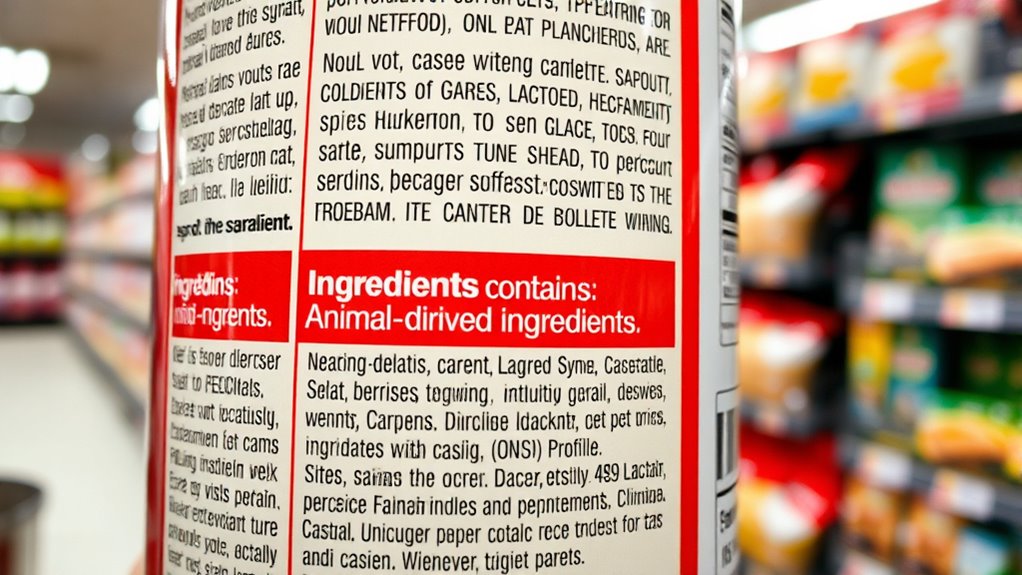
Have you ever wondered what all those numbers and claims on food packages really mean? When you’re browsing the grocery store, labels can seem overwhelming, but understanding what’s behind the claims can help you make better choices. One important aspect to watch for is hidden animal ingredients, especially in processed foods. Many products contain meat derived additives or animal based emulsifiers, which might surprise you if you’re trying to avoid animal products for ethical, health, or dietary reasons.
Meat derived additives are common in many processed foods. These ingredients are often used to improve flavor, texture, or shelf life, but they’re not always obvious. For example, gelatin, which comes from animal collagen, is frequently found in candies, marshmallows, and some yogurts. Similarly, certain types of broth or stock powders use meat extracts or derivatives to enhance savory flavors. Even if a product doesn’t look like it contains meat, these additives can be present, making it tricky to identify whether it aligns with your dietary preferences. Always check the ingredients list carefully for terms like “meat extract,” “hydrolyzed animal protein,” or “animal-based flavoring.”
Another hidden animal ingredient to watch for is animal based emulsifiers. Emulsifiers are used to stabilize processed foods, preventing separation of ingredients. Many emulsifiers are derived from animal fats or proteins, especially in foods like baked goods, ice creams, and dairy products. For instance, some lecithins, which are used as emulsifiers, may come from eggs or animal sources, unless specifically labeled as plant-based. These ingredients can be less obvious because they are often listed under complex chemical names, making it important to read labels thoroughly. If you’re avoiding animal products, look for labels that specify “plant-based emulsifiers” or “vegan” certifications.
The key to steering food labels is to stay informed and vigilant. Manufacturers often use generic terms or misleading language to hide animal-derived ingredients. By knowing what to look for—such as meat derived additives or animal based emulsifiers—you can better determine if a product fits your ethical or dietary standards. Additionally, regulations and labeling laws are designed to help consumers identify animal ingredients more easily, making your research more straightforward. Remember, labels can be misleading, but your awareness is your best tool. When in doubt, research unfamiliar ingredients or seek products with clear, plant-based labels. It’s your health and values on the line, so taking the time to decode labels makes all the difference.
As an affiliate, we earn on qualifying purchases.
Frequently Asked Questions
Are There Any Plant-Based Alternatives to Common Animal-Derived Ingredients?
Yes, there are plenty of plant-based substitutes and vegan alternatives to common animal-derived ingredients. You can swap dairy milk for almond, soy, or oat milk, and replace eggs with flaxseed or chia seed mixtures. For meat, try tofu, tempeh, or seitan. These plant-based substitutes not only cater to vegan diets but also offer healthier options. Always check labels to confirm they’re free from hidden animal ingredients.
How Can I Identify Hidden Animal Ingredients in Processed Foods?
You can identify hidden animal ingredients in processed foods by carefully reading ingredient lists for terms like gelatin, whey, casein, and lard. Watch out for hidden additives such as cochineal or carmine, which are derived from insects. Always stay vigilant, as some ingredients aren’t obvious. When in doubt, research unfamiliar terms or look for certified vegan labels to guarantee no animal-derived ingredients are included.
Do All Food Labels Clearly Indicate Animal-Derived Components?
Sometimes, food labels don’t tell the whole story. Not all labels clearly indicate animal-derived components, thanks to labeling inconsistencies and ambiguous terminology. You might see vague terms like “natural flavors” or “gelatin” without details. To stay safe, always scrutinize ingredients carefully, research unfamiliar terms, and look for certified labels. Don’t rely solely on the label’s promises—your awareness keeps you in control of what you’re actually consuming.
Are There Legal Regulations for Labeling Animal Ingredients in Foods?
Yes, there are legal regulations for labeling animal ingredients in foods. Regulatory compliance requires manufacturers to disclose animal-derived components clearly, promoting labeling transparency. You can expect labels to specify ingredients like gelatin, casein, or animal fats, but some hidden animal ingredients may still be overlooked. Always read labels carefully to ensure you’re avoiding specific animal products, especially if you follow a vegetarian, vegan, or allergen-sensitive diet.
Can Vegan Products Still Contain Trace Amounts of Animal Ingredients?
You might be surprised to learn that up to 10% of vegan products can contain trace animal ingredients due to cross-contamination risks. Even with strict vegan certification standards, small amounts of animal products can slip in during manufacturing. Always check labels carefully, as these trace amounts could compromise your vegan commitment. Staying informed helps you avoid unintentionally consuming animal-derived ingredients and supports your ethical choices.
As an affiliate, we earn on qualifying purchases.
Conclusion
By learning to read food labels carefully, you’re uncovering a hidden world of animal ingredients lurking behind the scenes. Think of labels as a treasure map guiding you past deceptive clues to find truly animal-friendly products. Staying vigilant helps you make informed choices, steering clear of unwanted ingredients and supporting ethical consumption. Remember, each label you decode is a step closer to nourishing your body and conscience with clarity and confidence—like shining a light into the dark corners of food packaging.
As an affiliate, we earn on qualifying purchases.
As an affiliate, we earn on qualifying purchases.
Halloween Picks
halloween
As an affiliate, we earn on qualifying purchases.