

Choosing plant-based aquatic ingredients over traditional crops helps reduce your environmental footprint. These aquatic plants grow quickly without needing arable land, fertilizers, or pesticides, making them a sustainable option. They also absorb excess nutrients from water, improving water quality and supporting aquatic ecosystems. By incorporating these ingredients, you can help lower land use, water consumption, and greenhouse gases. To discover how this shift benefits the environment even more, keep exploring the details below.
Key Takeaways
- Aquatic ingredients are sustainably harvested from marine or freshwater plants, requiring no arable land, unlike traditional crops.
- They grow rapidly in nutrient-rich waters, reducing the need for fertilizers and pesticides used in conventional agriculture.
- Aquatic plants absorb excess nutrients naturally, helping improve water quality and decrease pollution.
- Farming aquatic ingredients generally has a lower environmental footprint, conserving land, water, and reducing greenhouse gas emissions.
- They support ecosystem health by minimizing habitat destruction and promoting biodiversity compared to traditional crop cultivation.

Plant-based aquatic ingredients are transforming the food and cosmetic industries by offering sustainable and eco-friendly alternatives derived from marine and freshwater plants. Unlike traditional crops, these ingredients harness the power of the oceans and rivers without the heavy environmental toll that conventional agriculture often entails. When you consider their sustainability benefits, it’s clear that these ingredients can markedly reduce land use, water consumption, and greenhouse gas emissions. Marine plants like seaweeds and algae grow rapidly, require no arable land, and often thrive in nutrient-rich waters, making them a highly efficient resource. This means you can enjoy plant-based products without contributing to deforestation, soil degradation, or water scarcity—common issues linked to traditional farming.
Furthermore, aquatic plants tend to have a lower impact on ecosystems compared to conventional crops. For example, cultivating seaweed doesn’t require fertilizers or pesticides, which often run off into nearby waterways, causing algal blooms and harming aquatic life. In contrast, traditional agriculture can disrupt delicate ecosystems through habitat destruction, soil erosion, and chemical runoff. By switching to aquatic ingredients, you help minimize these negative ecosystem impacts, supporting healthier marine and freshwater environments. These plants also absorb excess nutrients from the water, helping to improve water quality naturally, which benefits aquatic biodiversity and reduces pollution.
Another advantage is that aquatic farming can be integrated into existing water management systems, such as coastal aquaculture or freshwater ponds, without competing for land used for food crops. This diversification can relieve pressure on land-based agriculture, which is often responsible for deforestation and loss of biodiversity. As you choose products made from plant-based aquatic ingredients, you’re participating in a shift toward more sustainable food and cosmetic production systems that prioritize ecosystem health. These ingredients can be harvested sustainably, provided responsible farming practices are followed, ensuring that ecosystems remain balanced and resilient.

Carlyle Sea Kelp Iodine Supplement | 225mcg | 300 Tablets | Non-GMO, Gluten Free | Traditional Herb Supplement
SEA KELP: Get powerful support from this green seaweed, an excellent source of mineral Iodine
As an affiliate, we earn on qualifying purchases.
As an affiliate, we earn on qualifying purchases.
Frequently Asked Questions
How Do Aquatic Plant Farming Practices Vary Globally?
You’ll notice that aquatic plant farming practices vary globally based on regional cultivation methods and sustainability efforts. In some regions, sustainable harvesting guarantees minimal environmental impact, like selective collection from wild populations. Other areas focus on aquaculture, promoting controlled cultivation to reduce overharvesting. These practices adapt to local ecosystems, regulations, and resources, making global aquatic plant farming diverse and tailored to regional needs and environmental considerations.
What Are the Economic Benefits of Aquaculture-Based Ingredients?
You stand to gain from aquaculture-based ingredients because they enhance market stability and strengthen supply chain resilience. As demand grows, these ingredients offer a reliable source that diminishes dependency on traditional crops, which can be unpredictable. This stability can lead to steady income and job creation. By diversifying your options, you’re not just tapping into a lucrative market—you’re also helping to ensure long-term economic growth and sustainability.
How Does Water Use Compare Between Aquatic and Terrestrial Crops?
You’ll find that water consumption for aquatic ingredients generally uses less water than terrestrial crops, reducing overall water use. This approach also tends to have a smaller ecosystem impact, since aquatic farming can be more targeted and efficient. By choosing aquatic over traditional crops, you help conserve water resources and minimize habitat disruption, making it a more sustainable option for environmentally conscious production.
Are There Any Regulatory Challenges for Aquatic Plant Harvesting?
Regulatory hurdles can feel like battling an endless maze when harvesting aquatic plants. You might face strict harvesting restrictions designed to protect fragile ecosystems, making it seem like you’re trying to crack a secret code. These regulations aim to prevent overharvesting, but they can slow down your progress and add layers of complexity. You’ll need patience and persistence to navigate these rules, ensuring your harvesting practices are sustainable and compliant.
What Is the Potential for Aquatic Ingredients to Meet Global Food Demand?
You can harness aquatic ingredients to meet global food demand by focusing on sustainability metrics and supply chain resilience. These ingredients grow quickly and require fewer resources, making them a sustainable choice. By developing robust supply chains, you guarantee consistent availability. This approach helps reduce environmental impact, supports food security, and offers a scalable solution to meet increasing demands efficiently while maintaining ecological balance.

Porphose Skin Shielding Mist: Hydrating Antioxidant for Dry and Sensitive Skin. Hypoallergenic, Fragrance Free, Dermatologist and Pediatrician Tested NATIONAL ECZEMA ASSOCIATION SEAL OF ACCEPTANCE
Antioxidant-Rich Hydration – Infused with Porphyridium Conditioned Media, a red algae extract rich in natural antioxidants, this mist…
As an affiliate, we earn on qualifying purchases.
As an affiliate, we earn on qualifying purchases.
Conclusion
Choosing plant-based aquatic ingredients over traditional crops isn’t just a shift—it’s a leap toward a more sustainable future. As you embrace these oceanic options, you’re planting seeds of change that ripple through ecosystems, reducing land use and greenhouse gases. Like a lighthouse guiding ships away from stormy waters, these ingredients shine a beacon of hope, proving that innovation can steer us toward harmony with nature. Embrace the wave; the future depends on it.
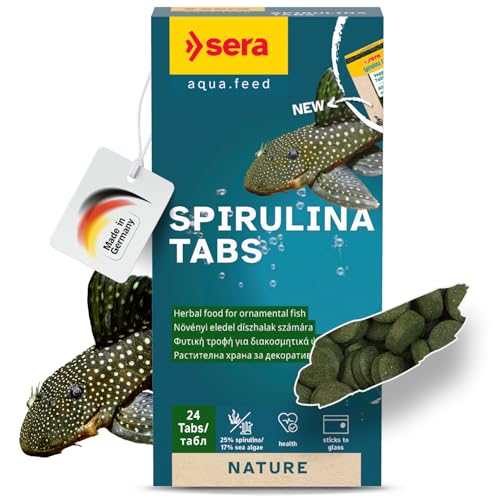
Sera Spirulina Tabs Nature 24 Tabs Plant-Based Food for Fresh Saltwater Fish | Boosts Digestion & Vitality | Free from Dyes & Preservatives | Ideal for Herbivorous Aquarium Inhabitants
PROMOTES HEALTH AND VITALITY: Enrich your aquarium life with sera Spirulina Tabs Nature, containing 24% Spirulina algae to…
As an affiliate, we earn on qualifying purchases.
As an affiliate, we earn on qualifying purchases.

Gimme Seaweed Organic Premium Roasted Seaweed Snacks, Sea Salt, 6 Count, Keto, Vegan, Gluten-Free, Great Source of Omega3s and Iodine, Healthy On-The-Go Snack for Kids and Adults
HEALTHY SNACKs compatible with Keto, Vegan, Vegetarian, Gluten-Free and Low Carb diets, Gimme’s Organic Roasted Seaweed is a…
As an affiliate, we earn on qualifying purchases.
As an affiliate, we earn on qualifying purchases.