

TL;DR

Get health and wellness essentials delivered free with Prime
- Fast, free delivery on millions of items
- Prime Video, Amazon Music and more included
- Member-only deals all year
A Sixty and Me contributor recounts how she began drinking more after retirement, quit alcohol in 2015 and gradually found new sources of enjoyment. Her personal account points to curiosity and noticing everyday pleasures as ways to shape life after 60, but it is not evidence that one approach works for everyone.
A contributor to Sixty and Me describes how she began drinking more after retirement, quit alcohol in 2015 and gradually found new sources of enjoyment, including writing, podcasting and learning about artificial intelligence. The first-person account offers one woman’s experience of reshaping retirement, not clinical evidence that sobriety or any particular activity will produce the same results for others.
The writer says her drinking increased after she left her corporate career. What had been a glass or two of wine after work became wine at lunch, a gin and tonic before dinner and more wine while cooking. She recalls feeling tired, anxious and disappointed, despite having anticipated retirement. She writes that she eventually decided to stop drinking and did so in 2015.
In her account, giving up alcohol was followed by changes in how she experienced ordinary activities. At first, she says, evenings and social occasions could feel flat because she had linked them with drinking. She later found enjoyment in activities such as walks, meals, conversations and completing projects. These are her personal observations; the report does not provide independent evidence about her health or measure the effects of quitting alcohol.
The writer also describes seeking structure and purpose through curiosity. She says she studied addiction and behaviour change, began writing, learned to make a podcast and built an online community. At age 75, she writes, she was exploring AI and developing an AI sobriety companion. The article presents these pursuits as examples from her own retirement, rather than a prescribed plan.
Building Meaning After Retirement
The account speaks to a practical challenge some people face when work ends: retirement can bring more free time but remove routines and roles that once organized daily life. The writer’s experience suggests that identifying interests and creating new structure helped her approach that change. Her story may prompt readers to think about what they want their days to contain, whether that means taking up a hobby, joining a group or exploring something unfamiliar.
It also highlights the difference between a personal narrative and a general recommendation. The writer describes alcohol as increasingly connected to pleasure in her own life, and says she felt better after quitting. That does not establish that every retiree has the same relationship with alcohol or that stopping will have identical effects. Anyone concerned about drinking or considering a change can seek advice from a qualified health professional, especially if they have health concerns or experience withdrawal symptoms.
Products Worth Considering

Oral-B iO5 Rechargeable Electric Toothbrush with 5 Cleaning Modes and Travel Case, White

Fitbit Inspire 3 Health and Fitness Tracker Bundle
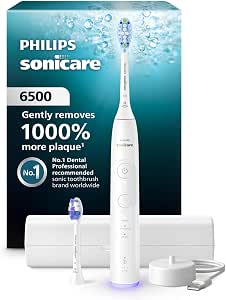
Philips Sonicare 6500 Series Rechargeable Electric Toothbrush with 2 Brush Heads, White
As an affiliate, we earn on qualifying purchases.
From Workday Drinking to New Interests
The writer frames her retirement as a change she had expected to make her happier. Instead, she says the lack of a work schedule left her unsure how to use her time, while drinking became part of meals and the transition into evenings. Her story moves from that dissatisfaction to a decision to quit and then to experiments with new activities.
She also discusses the idea that pleasure can become associated with particular habits. She describes expecting wine to accompany sunsets, dinners with friends and celebrations, and says ordinary moments initially seemed less rewarding without it. The article refers to the brain’s reward system and dopamine to explain this experience, but offers no study citations or individualized medical assessment. Its central material is the contributor’s account and reflections, not a research report.
Curiosity and gratitude are the other themes she emphasizes. She encourages readers to remain interested in learning and to notice positive moments without denying hardship. She acknowledges that ageing can involve illness, bereavement and uncertainty, and does not claim that gratitude removes those difficulties.
What One Account Cannot Establish
The source is a first-person account, not a controlled study or a clinical assessment. It does not report the writer’s drinking levels in standardized terms, document medical outcomes or establish how common her experience is among people over 60. It also does not give a detailed timeline for how quickly her enjoyment of everyday activities changed after she stopped drinking.
The article’s discussion of dopamine and the brain’s reward system is not accompanied in the supplied report by research references. Readers should not treat that explanation as a diagnosis or as advice about managing alcohol use. The account also does not clarify the design, availability or safety features of the AI sobriety companion the writer says she is developing.
Continuing the Search for Purpose
The writer says she is continuing to explore AI and develop an AI sobriety companion, but the report does not give a release date, explain how the tool will work or say whether it has undergone evaluation. No launch or outcome is confirmed in the account.
For readers, the article leaves the next step personal rather than prescriptive: consider which activities provide interest, connection or a sense of accomplishment, and whether retirement routines need adjustment. Anyone seeking to change their alcohol use can discuss options with a qualified health professional. The source does not announce a program, study or public event tied to the story.
Key Questions
What happened in the Sixty and Me account?
A contributor recounts that her drinking increased after retirement, that she quit alcohol in 2015 and that she later found enjoyment in new activities and everyday routines.
What new interests does the writer describe?
She says she studied addiction and behaviour change, started writing and podcasting, built an online community, and later explored artificial intelligence while developing an AI sobriety companion.
Does the account show that quitting alcohol will make everyone happier?
No. It reports one person’s experience and does not establish that other people will have the same response. Readers with questions about alcohol use or health should consult a qualified professional.
What remains unknown about the AI sobriety companion?
The report does not specify when it might be available, what features it will include, how it will handle user information or whether it has been tested.
Source: sixtyandme.com