
TL;DR

Get health and wellness essentials delivered free with Prime
- Fast, free delivery on millions of items
- Prime Video, Amazon Music and more included
- Member-only deals all year
A Sixty and Me report titled “Train Smart: A Menopause Playbook” recommends combining strength, endurance and impact exercise in midlife. Its proposed weekly schedule includes three sessions in each category, with impact work potentially combined with other workouts; the guidance is not a clinical guideline, and readers’ safe exercise needs may differ.
Sixty and Me’s “Train Smart: A Menopause Playbook” sets out a three-part exercise framework for midlife women, recommending strength, endurance and impact training to address concerns including muscle, cardiovascular and bone health. The report offers a sample weekly structure, but it is an individual training guide rather than a clinical guideline, and the supplied material does not establish that its exact schedule is appropriate for every reader.
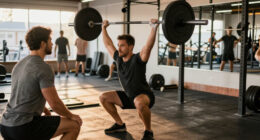
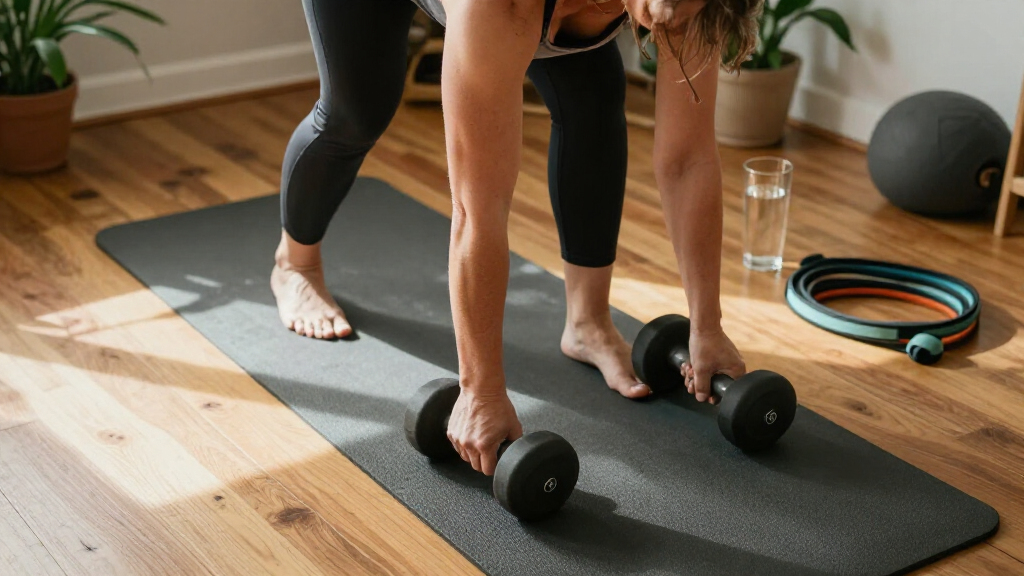
For strength work, the report recommends three sessions a week, using progressive overload: gradually increasing repetitions, sets or resistance, or changing the tempo. Its suggested split is two upper-body days and one lower-body day, with core exercises included. It says the exercises can be done at home with dumbbells and resistance bands, rather than requiring a gym. Suggested movements include squats, hinges such as deadlifts, rows and presses.
For endurance, the guide proposes three weekly sessions: two at a conversational pace, described as Zone 2, and one interval session, with no more than two interval workouts. It suggests about 35 to 45 minutes for Zone 2 sessions and says interval sessions should include warm-up and cool-down within a similar total duration. The article argues that a foundation of steady endurance work should precede harder intervals.
Its third pillar is impact training, which the report says can provide a stimulus to bones. It suggests three sessions weekly, potentially added to strength or endurance workouts, and lists brisk walking, heel drops, running and jumping as options. For people over 60 or new to impact, it advises starting with heel drops and brisk walking, adding jumps only when those feel easy. It also cautions that weighted vests alone have not been shown to increase bone mineral density in the cited research context.
A Three-Part Midlife Training Plan
The report’s practical contribution is to turn broad calls to “train right” into a sample weekly structure that includes resistance, aerobic conditioning and bone-loading movement. That matters for readers who encounter conflicting exercise advice and want a framework they can discuss with a qualified professional or adapt to their circumstances.
The source connects its recommendations to concerns that may arise in midlife, including changes in muscle mass, cardiovascular health, recovery and bone density. It also cites research and health information on cardiovascular fitness, resistance exercise and bone health. Those references provide background, but they do not by themselves verify every element of the article’s specific training prescription. The recommendations should be read as the author’s guidance, not a guarantee of outcomes or a substitute for individualized advice.
adjustable dumbbells for home strength training
As an affiliate, we earn on qualifying purchases.
As an affiliate, we earn on qualifying purchases.
How the Guide Builds Its Framework
The report presents hormonal changes during midlife as part of the rationale for structured exercise, saying estrogen fluctuation and decline can affect several aspects of health and body composition. It then groups its proposed response into three training pillars rather than treating cardio, weights or impact work as interchangeable.
Its source list includes an American Heart Association page on cardiovascular disease in women, research papers on fitness and mortality, and studies of exercise and bone health. The article refers to a 2025 randomized clinical trial on weighted vests or resistance exercise and bone loss in older adults, alongside an older study of weighted vests in postmenopausal women. The supplied material does not provide detailed findings from those studies, so the guide’s summary about weighted vests should not be treated as a full account of the evidence.
“The 3 pillars are: Strength Training, Endurance Training and Impact Training.”
— Sixty and Me report, “Train Smart: A Menopause Playbook”
resistance bands set for strength training
As an affiliate, we earn on qualifying purchases.
As an affiliate, we earn on qualifying purchases.
Limits of the Exercise Advice
The supplied source does not identify the author’s credentials, give a publication date, or describe a formal review process. It also does not establish that the proposed frequency, exercise selection or effort levels are suitable for people with specific health conditions, injuries, symptoms or differing fitness levels. The article’s statements about estrogen, longevity indicators and bone-density effects are presented in its own guidance; the source material does not include enough study detail to independently assess those claims.
It remains unclear how readers should adjust the plan if three strength and three endurance sessions, alongside impact work, exceed their recovery capacity. The guide recommends a gradual start for some impact exercises, but it does not offer individualized screening or a full progression plan for every exercise.
exercise step counter heart rate monitor for Zone 2 cardio
As an affiliate, we earn on qualifying purchases.
As an affiliate, we earn on qualifying purchases.
Applying the Plan Safely
The report does not announce a follow-up study, program or clinical rollout. Its next step for readers is practical: treat the schedule as a starting framework, not a requirement to complete nine separate sessions, since impact work may be combined with other workouts. Anyone considering a new or more demanding routine can discuss suitable activities and progression with a qualified health or exercise professional, particularly if health conditions or injuries may affect exercise choices.
Further evaluation of the guide’s specific schedule would require evidence that directly tests its recommendations, including how different training volumes and combinations affect midlife participants. Until then, the article’s sample plan and cited research should be distinguished from established, individualized medical advice.
low impact exercise shoes for brisk walking
As an affiliate, we earn on qualifying purchases.
As an affiliate, we earn on qualifying purchases.
Key Questions
What are the three training pillars in the report?
The report groups its recommendations into strength training, endurance training and impact training. It presents them as complementary parts of a midlife exercise plan.
How often does the guide recommend strength training?
It proposes three strength sessions per week, using progressive overload. The suggested split is two upper-body sessions and one lower-body session, with core work included.
What endurance schedule does the article suggest?
The guide recommends three weekly sessions: two conversational-pace Zone 2 workouts of about 35 to 45 minutes and one interval workout. It says to build an endurance base before adding harder intervals.
Does the report say a weighted vest alone builds bone density?
No. The article says weighted vests alone have not been shown to increase bone mineral density in the research context it discusses, and distinguishes them from impact exercise. The supplied material does not include enough study detail to assess that evidence independently.
Who should get advice before following the plan?
The guide is not individualized medical advice. People with health conditions, injuries, or questions about safe exercise intensity can consult a qualified health or exercise professional before starting or changing a routine.
Source: rss
Halloween Picks
halloween
As an affiliate, we earn on qualifying purchases.