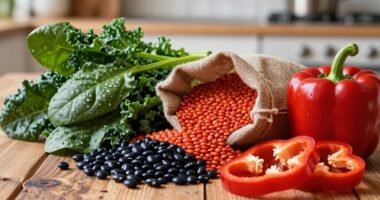

If you want plant-based foods that keep you full longer, focus on beans, lentils, whole grains, vegetables, tofu, tempeh, chickpeas, and edamame. These foods are rich in fiber and protein, which help slow digestion, stabilize blood sugar, and curb cravings. Incorporating these into your meals promotes sustained energy and better nutrient intake. By choosing these options, you’ll support your health and the environment. Keep exploring to discover even more plant-based choices for lasting fullness.
Open a free Amazon Business account
Business pricing, bulk buying and tax-exempt orders.
As an affiliate, we earn on qualifying purchases.
Key Takeaways
- High-fiber foods like beans, lentils, and whole grains promote prolonged fullness and stabilize blood sugar levels.
- Protein-rich plant foods such as tofu, tempeh, and edamame help sustain energy and curb hunger longer.
- Combining fiber and protein in meals enhances satiety and maintains steady digestion.
- Vegetables provide additional fiber and nutrients that support feeling full without excess calories.
- Mindful food choices with transparent labels and certifications ensure nutrient density for lasting fullness.
When you choose plant-based foods that are rich in fiber and protein, you can stay full longer and curb cravings throughout the day. These foods not only support your health but also promote sustainable farming practices, which help protect the environment. By opting for plant-based options, you contribute to reducing the carbon footprint associated with traditional animal agriculture, making your dietary choices more eco-friendly. Plus, many plant-based products now come with clear nutritional labeling, allowing you to make informed decisions about what you’re eating. This transparency helps you identify foods that are truly nutrient-dense and align with your health goals.
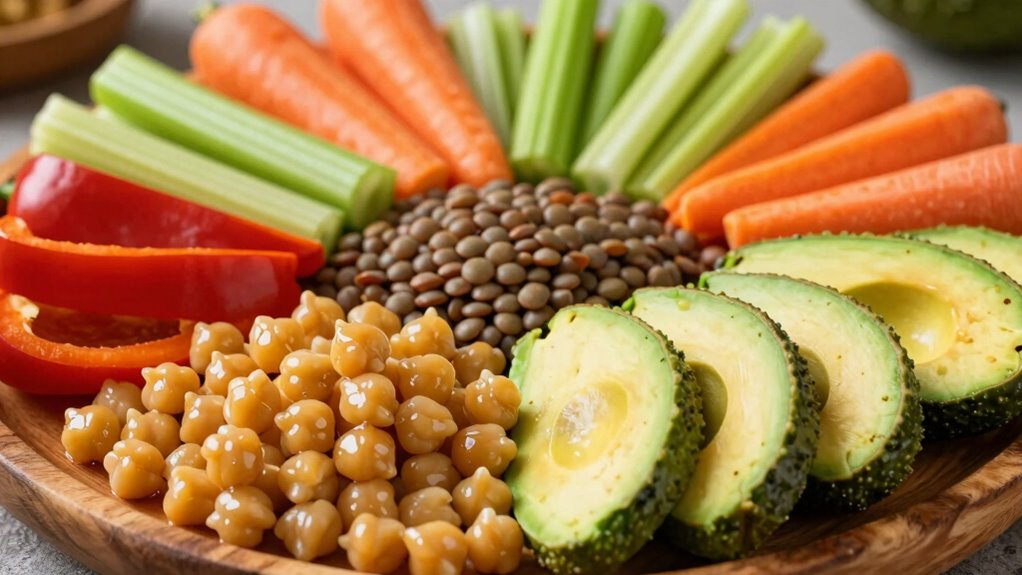
Foods high in fiber, like beans, lentils, whole grains, and vegetables, slow down digestion and keep your blood sugar levels steady. This means you won’t experience the quick spikes and crashes that often lead to hunger and overeating. When you include these in your meals, you’re not just filling your stomach; you’re nourishing your body with essential nutrients. Protein-rich plant foods such as tofu, tempeh, chickpeas, and edamame are excellent choices because they help build and repair tissues, support muscle maintenance, and promote satiety. Combining fiber and protein in your meals ensures a balanced approach that keeps you energized and satisfied for longer periods. Incorporating plant-based nutritional information can help you better understand the benefits of these foods and make smarter choices.
Fiber and plant proteins keep blood sugar steady, nourishing your body and promoting lasting fullness.
In addition to the nutritional benefits, choosing plant-based foods with sustainable origins supports farming practices that prioritize soil health and biodiversity. Many producers now emphasize sustainable farming methods, which reduce the need for harmful chemicals and conserve water. These practices not only produce healthier food but also contribute to a healthier planet. When you read nutritional labels, look for certifications like organic or sustainably farmed, which indicate a commitment to environmental responsibility. This way, you can enjoy the benefits of plant-based eating while feeling confident that your food choices align with your values. Incorporating sustainable farming practices into your diet helps foster long-term environmental health and resilience.
Furthermore, selecting foods with transparent nutritional labeling allows consumers to better understand the environmental impact of their choices, encouraging more sustainable consumption habits. Additionally, awareness of food sustainability certifications can guide you toward products that adhere to environmentally friendly standards. Ultimately, incorporating fiber- and protein-rich plant foods into your diet is an effective way to control hunger and promote overall wellness. Their role in supporting sustainable farming and transparent nutritional labeling makes them a smart choice for anyone looking to improve their health and reduce environmental impact. By making mindful selections and paying attention to labels, you ensure that your diet is both nourishing and sustainable. This approach helps you stay full longer, reduces reliance on processed foods, and encourages a more conscious, environmentally friendly way of eating.
organic plant-based protein tofu
As an affiliate, we earn on qualifying purchases.
As an affiliate, we earn on qualifying purchases.
Frequently Asked Questions
Do Plant-Based Foods Provide Enough Protein to Stay Full?
Yes, plant-based foods can provide enough protein to keep you full. Focus on plant protein sources like beans, lentils, tofu, and quinoa, which are rich in protein and help you stay satisfied longer. Incorporate meal timing strategies by eating balanced meals throughout the day, ensuring consistent energy levels. Combining different plant proteins can also enhance amino acid intake, making your plant-based diet both fulfilling and nourishing.
How Do Fiber-Rich Plants Help With Hunger?
Think of fiber-rich plants as your stomach’s gentle traffic controllers. They slow down fiber digestion, giving your gut health a boost and keeping hunger at bay longer. As fiber moves through your digestive system, it adds bulk, signaling fullness and stabilizing blood sugar levels. This steady release of energy helps you resist cravings, so you stay satisfied and energized throughout the day.
Are Plant-Based Foods Suitable for Weight Loss?
Yes, plant-based foods are suitable for weight loss. They tend to be lower in calories and rich in fiber, helping you feel full longer. Incorporate savory plant snacks and plant-based desserts made from whole ingredients to satisfy your sweet and savory cravings without overindulging. These options support your weight loss goals by keeping you satisfied and reducing the temptation to eat processed, high-calorie foods.
Can Plant Foods Improve Long-Term Satiety?
Yes, plant foods can improve long-term satiety. When you include a diverse range of plant nutrients, your body responds by releasing satiety hormones that help control hunger. The variety in plant-based diets promotes better digestion and stabilizes blood sugar levels, which keeps you full longer. By focusing on plant nutrient diversity, you support sustained fullness and reduce the urge to snack between meals.
Which Plant-Based Snacks Are Best for Fullness?
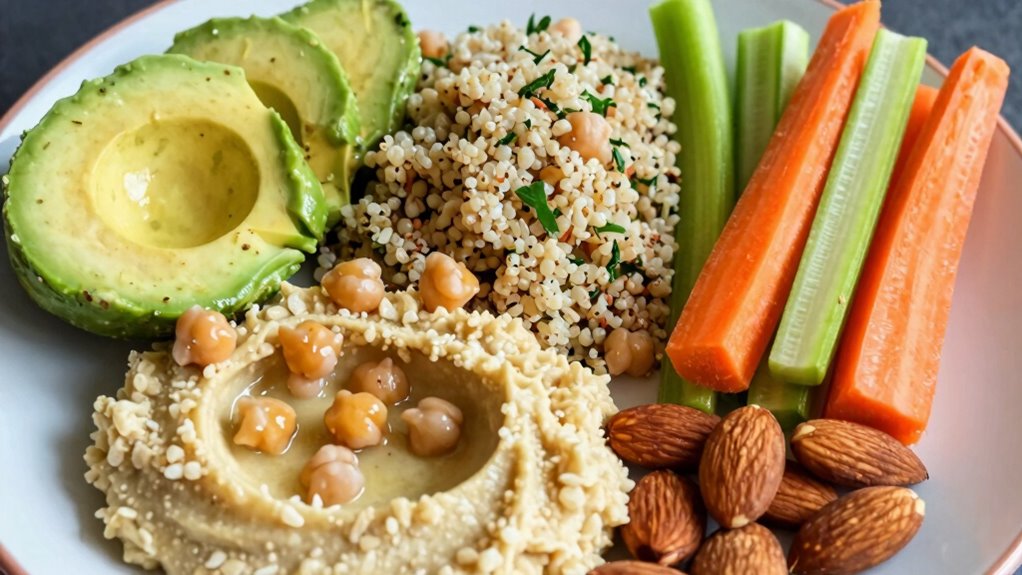
For plant-based snacks that promote fullness, opt for options rich in fiber and protein like nuts, seeds, or hummus with veggie sticks. These snacks serve as effective satiety strategies because they slow digestion and keep you satisfied longer. Incorporate plant snacking into your routine to curb hunger between meals, boosting your energy levels and helping you maintain a balanced diet.
As an affiliate, we earn on qualifying purchases.
Conclusion
By choosing plant-based foods that keep you full longer, you fuel your body, satisfy your hunger, and support your health all at once. Embrace hearty legumes, fiber-rich whole grains, and nutrient-dense vegetables to stay energized throughout your day. Prioritize foods that nourish your body, satisfy your cravings, and sustain your momentum. With these choices, you’ll enjoy longer-lasting fullness, better digestion, and a healthier you—because when you eat smart, you feel better, perform better, and live better.
As an affiliate, we earn on qualifying purchases.
As an affiliate, we earn on qualifying purchases.
NFL season / tailgating Picks
team gear
As an affiliate, we earn on qualifying purchases.